


 January 1, 2026
AI-Driven Personalization_ The Future of Gaming Monetization
Introduction
The way games make money is changing. Traditional monetization methods—static in-app purchases, fixed ads, and one-size-fits-all offers—are no longer enough to keep players engaged or spending consistently.
In 2025, the future of gaming monetization lies in AI-driven personalization. By understanding player behavior, preferences, and play patterns, AI enables games to deliver the right content, rewards, and offers to the right player at the right time.
This shift doesn’t just increase revenue—it creates a more enjoyable and player-friendly monetization experience.
What Is AI-Driven Personalization in Games?
AI-driven personalization uses machine learning and player data to tailor in-game experiences individually.
AI systems analyze:
- Play frequency and session length
- Skill level and progression speed
- Spending behavior
- Preferred game modes and content
- Response to rewards and offers
Based on this data, the game dynamically adjusts monetization strategies for each player.
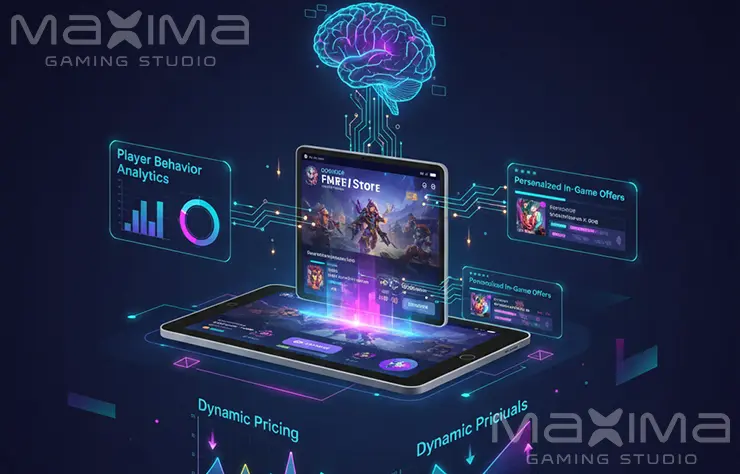
1. Personalized In-App Purchase Offers
Instead of showing the same store items to everyone, AI allows games to:
- Recommend items based on play style
- Offer upgrades players actually need
- Adjust pricing or bundles dynamically
For example, a casual player may see starter packs, while a competitive player receives advanced gear offers—making purchases feel useful rather than forced.
2. Smarter Ad Monetization Without Frustration
AI improves ad-based revenue by understanding player tolerance and behavior.
It helps by:
- Showing ads at the least disruptive moments
- Selecting ad formats players respond to
- Reducing ad frequency for engaged users
- Increasing ad rewards for retention
This balance boosts ad revenue while protecting player experience.
3. Dynamic Battle Pass & Subscription Models
AI enables adaptive progression systems.
Battle passes can:
- Adjust mission difficulty based on player skill
- Personalize reward paths
- Suggest premium upgrades at optimal moments
Subscriptions can be customized based on usage, increasing perceived value and long-term retention.
4. Maximizing Player Lifetime Value (LTV)
AI focuses on long-term monetization, not quick wins.
By analyzing behavior, AI can:
- Predict spending potential
- Identify churn risks early
- Trigger personalized retention offers
- Optimize reward timing
This approach increases lifetime value while keeping players satisfied.
5. Ethical Monetization Through Personalization
AI-driven monetization doesn’t have to be aggressive.
When used responsibly, it:
- Avoids pushing irrelevant purchases
- Reduces pay-to-win frustration
- Respects player spending habits
- Builds trust and transparency
Ethical personalization leads to healthier player relationships and sustainable revenue.
6. Benefits for Game Developers & Publishers
AI-driven personalization helps businesses:
- Increase conversion rates
- Improve retention
- Reduce churn
- Optimize marketing spend
- Scale monetization globally
Smaller studios can now compete with larger publishers using smart AI systems.
7. Global Scaling Made Easier
AI adapts monetization strategies to:
- Regional preferences
- Device capabilities
- Cultural spending habits
This makes it easier to launch games worldwide without manual tuning for each market.
The Future of Personalized Monetization
In the coming years, AI will:
- Predict player intent before actions
- Combine gameplay and monetization seamlessly
- Enable fully adaptive in-game economies
- Offer real-time monetization optimization
Monetization will feel less like selling—and more like enhancing gameplay.
Conclusion
AI-driven personalization is redefining how games generate revenue. By aligning monetization with player behavior and preferences, AI creates a win-win situation: players feel understood, and businesses see sustainable growth.
The future of gaming monetization isn’t about forcing purchases—it’s about intelligent, respectful, and personalized experiences that players choose to invest in.