
 December 23, 2025
Future of AI Tools_ Trends and Innovations to Watch
Introduction
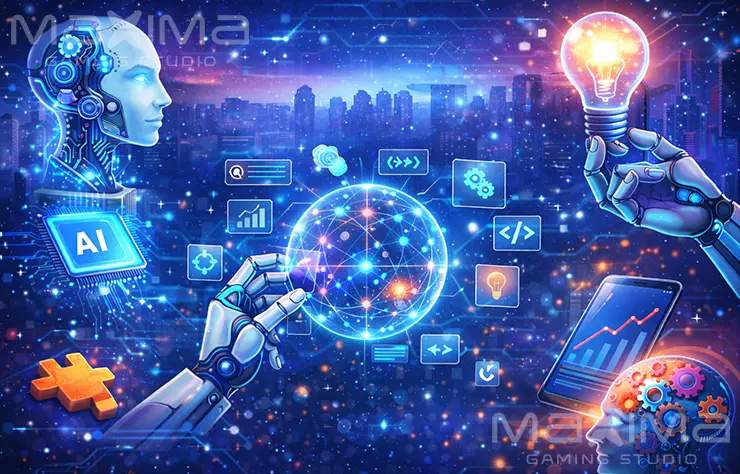
AI tools have already transformed how we work, create, and communicate—but this is only the beginning. As technology advances, AI tools are evolving from simple assistants into intelligent systems that can understand context, predict needs, and collaborate with humans in meaningful ways.
Looking ahead, the future of AI tools will be defined by smarter automation, deeper personalization, and seamless integration into everyday digital life. Let’s explore the key trends and innovations that will shape the next generation of AI tools.
1. AI Tools Will Become Context-Aware
Future AI tools won’t just respond to commands—they’ll understand context.
- Know what task you’re working on
- Understand your goals and deadlines
- Adapt responses based on previous actions
This means less prompting and more natural interaction, making AI feel like a true digital partner rather than a tool.
2. End-to-End Workflow Automation
AI tools are moving beyond single-task automation.
- Manage entire workflows from start to finish
- Connect multiple apps and platforms automatically
- Reduce the need for manual coordination
For example, an AI system could plan a project, assign tasks, track progress, and generate reports—all without human intervention.
3. Rise of AI as a Creative Collaborator
AI tools will increasingly act as creative partners.
- Story writing and ideation
- Game and app design
- Music and sound generation
- Visual concept creation
Instead of replacing creativity, AI will amplify it—helping creators explore ideas faster and push creative boundaries.
4. Smarter AI Coding Assistants
AI-powered development tools will become more advanced and reliable.
- Understand full project architecture
- Suggest optimized solutions, not just code snippets
- Detect bugs before execution
- Improve code quality automatically
This will significantly speed up software and game development while reducing technical debt.
5. Predictive Intelligence Will Drive Decisions
AI tools will increasingly focus on prediction, not just analysis.
- Forecast trends
- Anticipate risks
- Make proactive decisions
- Adapt strategies in real time
This shift from reactive to predictive intelligence will redefine how organizations operate.
6. Greater Focus on Ethical and Responsible AI
As AI tools grow more powerful, ethics will become a priority.
- Transparent decision-making systems
- Bias detection and correction
- Stronger data privacy controls
- Human oversight built into AI workflows
Trust and accountability will be essential for widespread AI adoption.
7. Human-AI Collaboration Will Be the Norm
AI tools will be designed to work with humans, not replace them.
- AI handling repetitive tasks
- Humans focusing on creativity and strategy
- Seamless collaboration between people and machines
The most successful workflows will combine human intuition with AI efficiency.
8. AI Tools Will Be Accessible to Everyone
AI is becoming more affordable and user-friendly.
- Small businesses using enterprise-level AI tools
- Freelancers accessing powerful automation
- Non-technical users working with AI through natural language
This democratization will unlock innovation across industries and regions.
9. Integration Across All Digital Platforms
AI tools will no longer exist as separate applications.
- Embedded into operating systems
- Integrated across cloud services
- Connected to devices, apps, and data sources
AI will become an invisible but essential layer of the digital world.
Conclusion
The future of AI tools is about transformation—not replacement. From smarter automation to creative collaboration and ethical intelligence, AI is set to redefine how we work and innovate.
As these tools evolve, those who adapt early will gain a powerful advantage—unlocking productivity, creativity, and possibilities we’re only beginning to imagine.