

 January 6, 2026
India’s Youth Gaming Habits in 2026: What Developers Must Know
Introduction
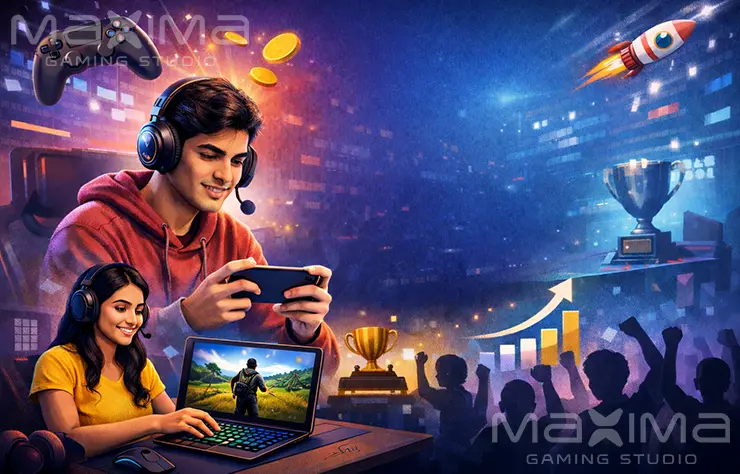
India’s youth population is one of the largest and most digitally active in the world. By 2026, gaming has become more than entertainment for young Indians—it’s a daily habit, a social space, and even a career pathway. With smartphones becoming more powerful and internet access more affordable, youth-driven gaming trends are shaping the future of the Indian gaming industry.
For game developers, understanding how Indian youth play, think, and engage with games is essential to building successful titles. Let’s explore the key gaming habits of India’s youth in 2026 and what developers must know to stay relevant.
Mobile-First Gaming Is the Default
For Indian youth, gaming starts—and often ends—on mobile devices.
- Smartphones are the primary gaming platform
- PCs and consoles are secondary or aspirational
- Games must perform well on mid-range and budget devices
Developers must prioritize mobile optimization, fast loading times, and smooth performance across a wide range of hardware.
Short, Flexible Play Sessions Dominate
Indian youth often play games in short bursts:
- Between classes
- During travel
- In work or study breaks
Games designed for 5–15 minute sessions perform better than long, grind-heavy experiences. Instant engagement and quick rewards are key to retention.
Competitive and Social Gaming Is Growing
Gaming in 2026 is deeply social for Indian youth.
They enjoy:
- Multiplayer matches
- Leaderboards and rankings
- Team-based gameplay
- In-game chat and social features
Even casual games now include competitive elements to increase engagement and replay value.
Skill-Based Gameplay Over Pure Luck
Today’s young gamers prefer games that reward:
- Skill
- Strategy
- Learning and improvement
While luck-based games exist, youth engagement is stronger in games where players feel progress is earned, not random.
Influence of Streaming and Content Creators
YouTube, short-video platforms, and live streaming heavily influence youth gaming habits.
Indian youth:
- Discover games through creators
- Learn strategies by watching gameplay
- Follow trends driven by influencers
Developers should consider creator-friendly features like spectator modes, highlights, and shareable moments.
Preference for Relatable Themes and Culture
Indian youth respond strongly to:
- Local cultural elements
- Familiar sports (especially cricket)
- Indian-inspired visuals and stories
- Regional language support
Games that feel culturally relatable create stronger emotional connections and higher retention.
Smart Spending, Not Heavy Spending
Indian youth are value-conscious gamers.
They prefer:
- Low-cost in-app purchases
- Battle passes with clear rewards
- Optional spending models
Aggressive monetization often leads to drop-offs. Transparency and fairness are critical.
Growing Interest in Puzzle, Casual & Hybrid Genres
While action and esports-style games remain popular, youth are increasingly engaging with:
- Puzzle games
- Casual strategy
- Hybrid genres that mix skill and relaxation
These games fit better into daily routines and appeal to a wider audience.
Expectation of Smarter, Adaptive Games
By 2026, Indian youth expect games to be intelligent.
They value:
- Adaptive difficulty
- Personalized content
- Smooth progression
- AI-driven recommendations
Static, one-size-fits-all experiences struggle to retain modern players.
Gaming as Identity and Opportunity
For many young Indians, gaming is more than fun:
- It’s a social identity
- A creative outlet
- A career aspiration (streaming, esports, development)
Games that support expression, progression, and community building resonate more strongly.
What Developers Must Do Moving Forward
To succeed with India’s youth audience, developers must:
- Build mobile-first, low-latency experiences
- Design for short sessions and social play
- Respect cultural context
- Use AI-driven personalization wisely
- Monetize ethically and transparently
Understanding youth habits isn’t optional—it’s the foundation of success.
Conclusion
India’s youth gaming habits in 2026 reflect a generation that is mobile-first, socially connected, skill-driven, and value-conscious. Developers who align with these behaviors will lead the next wave of successful Indian games.
The future of gaming in India belongs to studios that listen to youth behavior, adapt quickly, and design experiences that fit seamlessly into young players’ daily lives.