

 January 6, 2026
Why Tier-2 Indian Cities Are Driving the Next Mobile Gaming Wave?
Introduction
India’s mobile gaming boom is no longer limited to metro cities. In recent years, Tier-2 cities—such as Indore, Surat, Jaipur, Coimbatore, Lucknow, and Bhubaneswar—have emerged as powerful growth engines for the gaming industry.
With rising smartphone adoption, affordable internet, and a young, digitally active population, Tier-2 India is shaping the next wave of mobile gaming growth. For developers and publishers, understanding this shift is critical to building games that scale across the country.
Let’s explore why Tier-2 cities are leading this transformation and what it means for the future of mobile gaming in India.
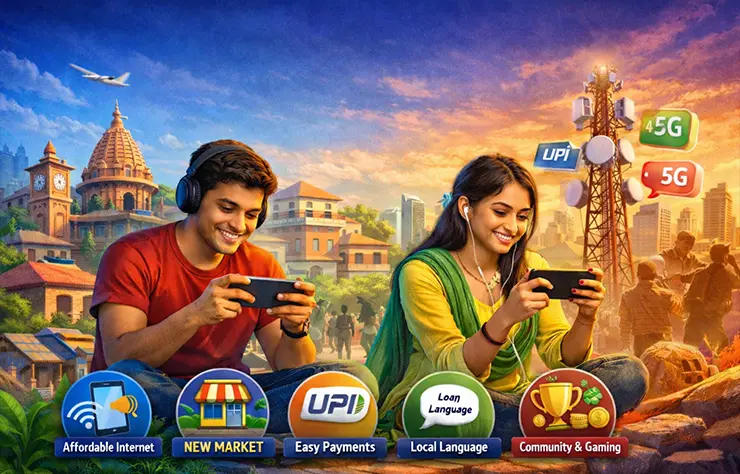
Affordable Smartphones and Cheap Internet
One of the biggest drivers of mobile gaming in Tier-2 cities is accessibility.
- Budget and mid-range smartphones offer strong performance
- Affordable 4G/5G data plans enable longer play sessions
- Cloud services and app stores are easily accessible
This combination has lowered entry barriers and brought gaming to millions of first-time users beyond metros.
Young, Mobile-First Population
Tier-2 cities have a large population of:
- Students
- Young professionals
- First-time internet users
For many, smartphones are the primary digital device—used for entertainment, learning, and social connection. Mobile games naturally fit into this lifestyle, becoming a daily habit rather than a niche hobby.
Preference for Casual and Social Games
Players in Tier-2 cities often prefer games that are:
- Easy to learn
- Short-session friendly
- Social and competitive
Genres that perform especially well include:
- Puzzle and casual games
- Sports (especially cricket)
- Multiplayer card and board games
- Lightweight action titles
These games match local play patterns and device capabilities.
Local Language and Cultural Relevance
Gaming in Tier-2 India is becoming more inclusive through:
- Regional language support
- Culturally familiar themes
- Local events and references
Games that feel relatable—through language, characters, or themes—see higher engagement and retention in non-metro markets.
Gaming Fits Daily Routines Perfectly
Players in Tier-2 cities often play during:
- Commutes
- Study breaks
- Work downtime
- Evenings at home
Mobile games designed for quick sessions fit naturally into these routines, making daily engagement easier to sustain.
Growing Comfort with Digital Payments
While spending behavior is cautious, Tier-2 gamers are increasingly comfortable with:
- UPI-based payments
- Low-cost in-app purchases
- Reward-based monetization
Players respond better to fair pricing, clear value, and optional spending.
This creates long-term monetization potential without aggressive tactics.
Social Media and Influencer Influence
Gaming trends spread quickly in Tier-2 cities through:
- YouTube gaming creators
- Short video platforms
- Peer recommendations
Local influencers and word-of-mouth play a major role in game discovery—often more than traditional ads.
Data-Driven Opportunities for Developers
Tier-2 cities generate massive player data that helps developers:
- Understand new user behavior
- Optimize onboarding
- Balance difficulty and progression
- Improve retention strategies
Studios that analyze this data carefully can design games that resonate deeply with India’s fastest-growing audience.
Tier-2 Cities Are the Future Growth Market
Metro markets are approaching saturation—but Tier-2 cities still offer:
- Untapped user bases
- Faster growth rates
- Long-term engagement potential
For developers and publishers, success in Tier-2 India often determines national success.
What This Means for the Future of Mobile Gaming
The next generation of hit mobile games in India will be mobile-first, optimized for diverse devices, localized in language and content, and designed for short, social play sessions.
Tier-2 cities are not just adopting mobile gaming—they’re defining its future direction.
Conclusion
Tier-2 Indian cities are driving the next mobile gaming wave by combining accessibility, youth-driven demand, cultural relevance, and evolving digital habits. They represent the heart of India’s gaming growth story.
For game developers, publishers, and studios, the message is clear: the future of mobile gaming in India will be built for—and by—Tier-2 cities.